Morphology
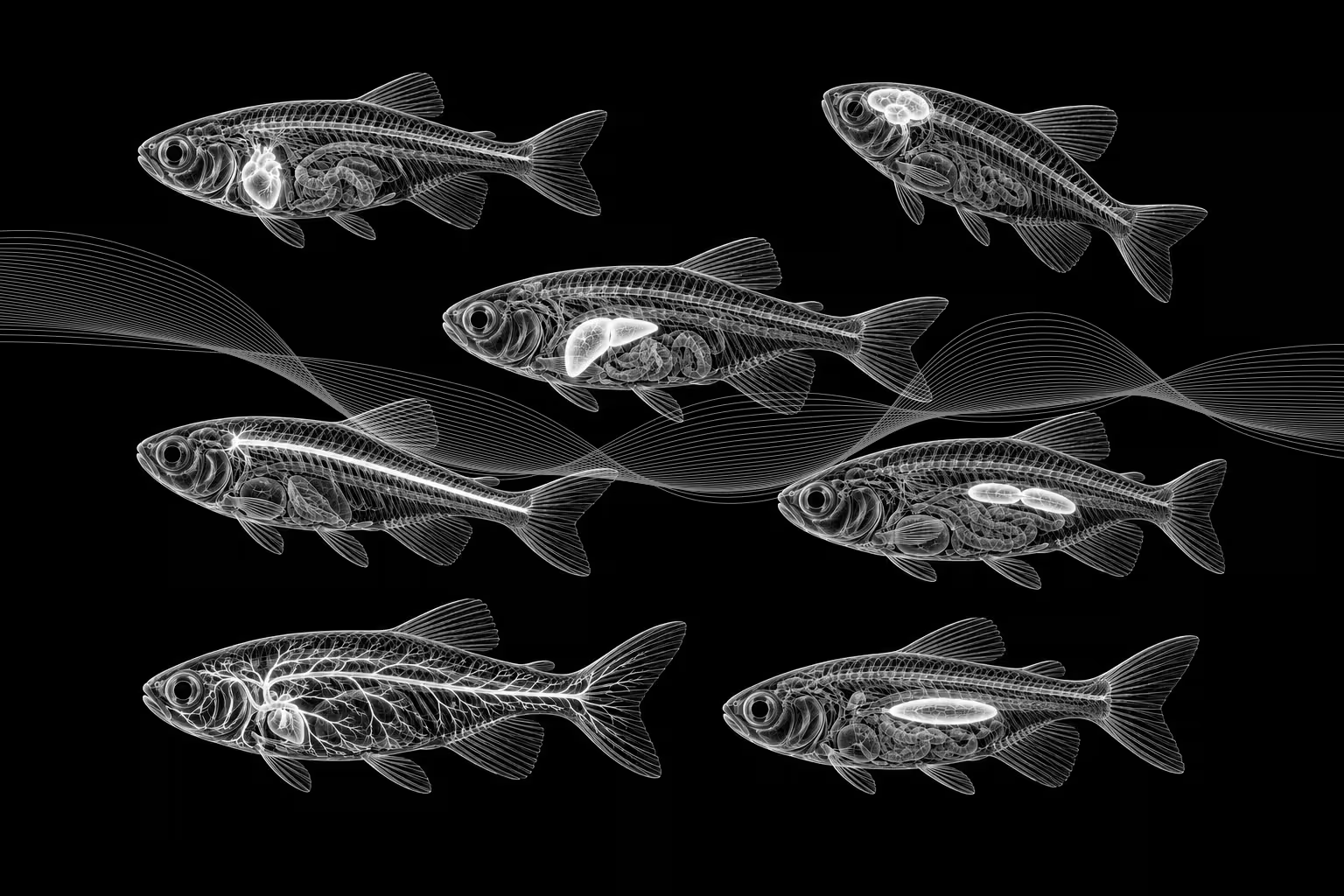
Measure features such as organ morphology, vascular changes, and edema.
BioSymetrics uses computer vision to analyze automated zebrafish imaging and behaviour at scale, creating quantitative readouts for target validation, hit identification, and mechanism assessment.
High-throughput in vivo experiments can produce complex image and behavioural data. We measure those responses consistently across anatomy, physiology, and behaviour so partners can see more than a single endpoint.
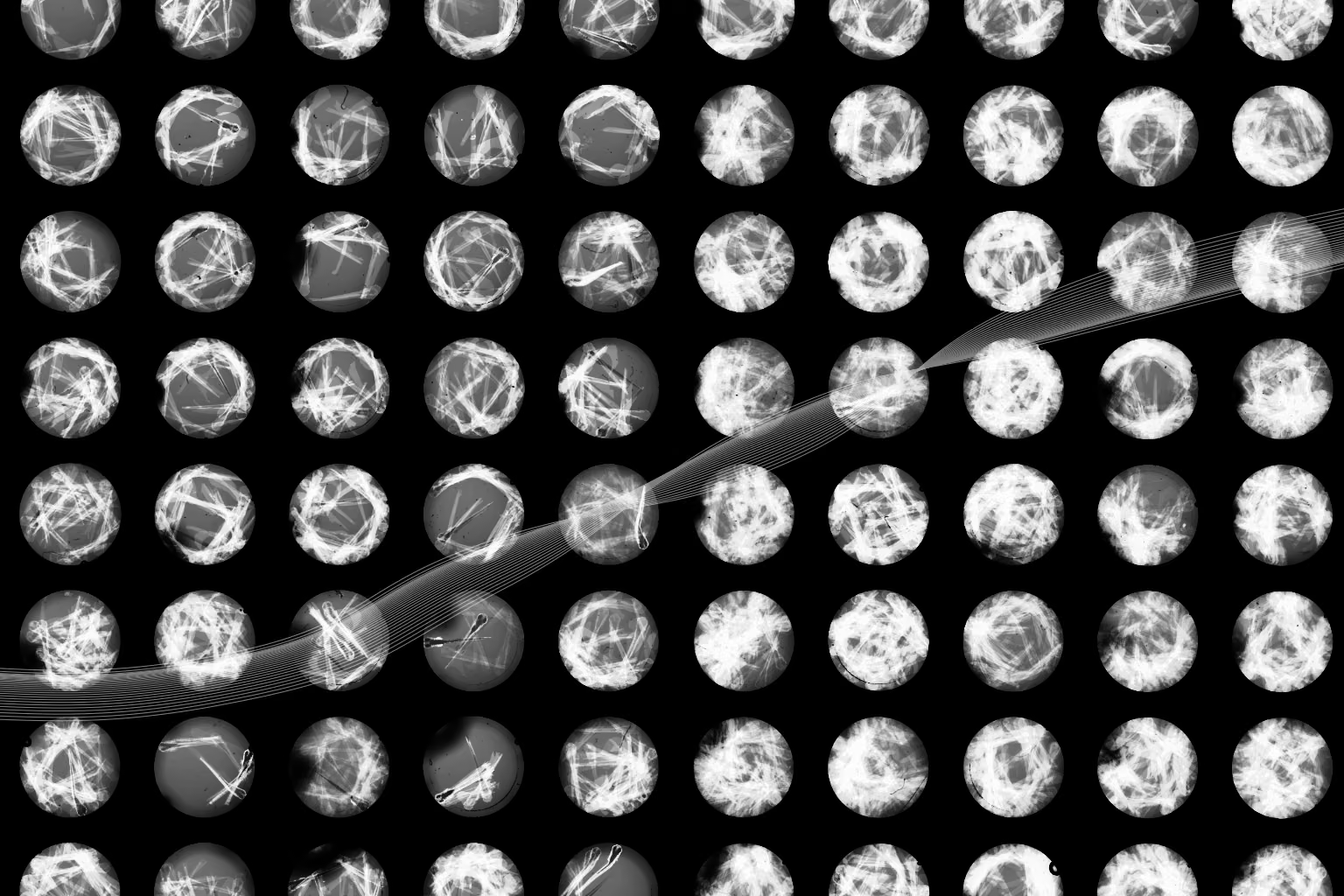
We capture data from automated zebrafish assays, including 96-well experiments, then use computer vision to extract features from the resulting images and activity traces.
Measure features such as organ morphology, vascular changes, and edema.
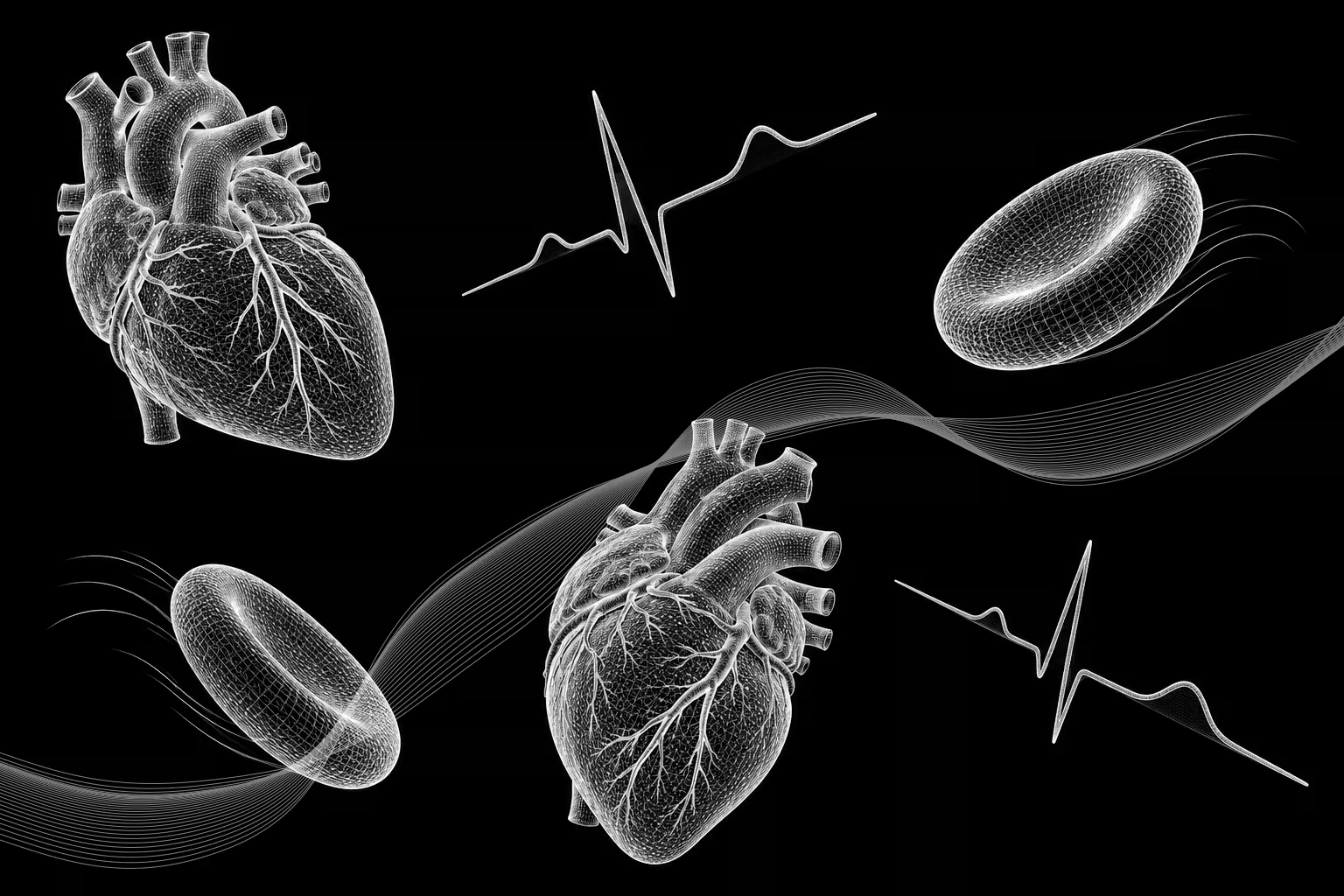
Quantify heart rate, ejection fraction, blood flow, and heart volume.
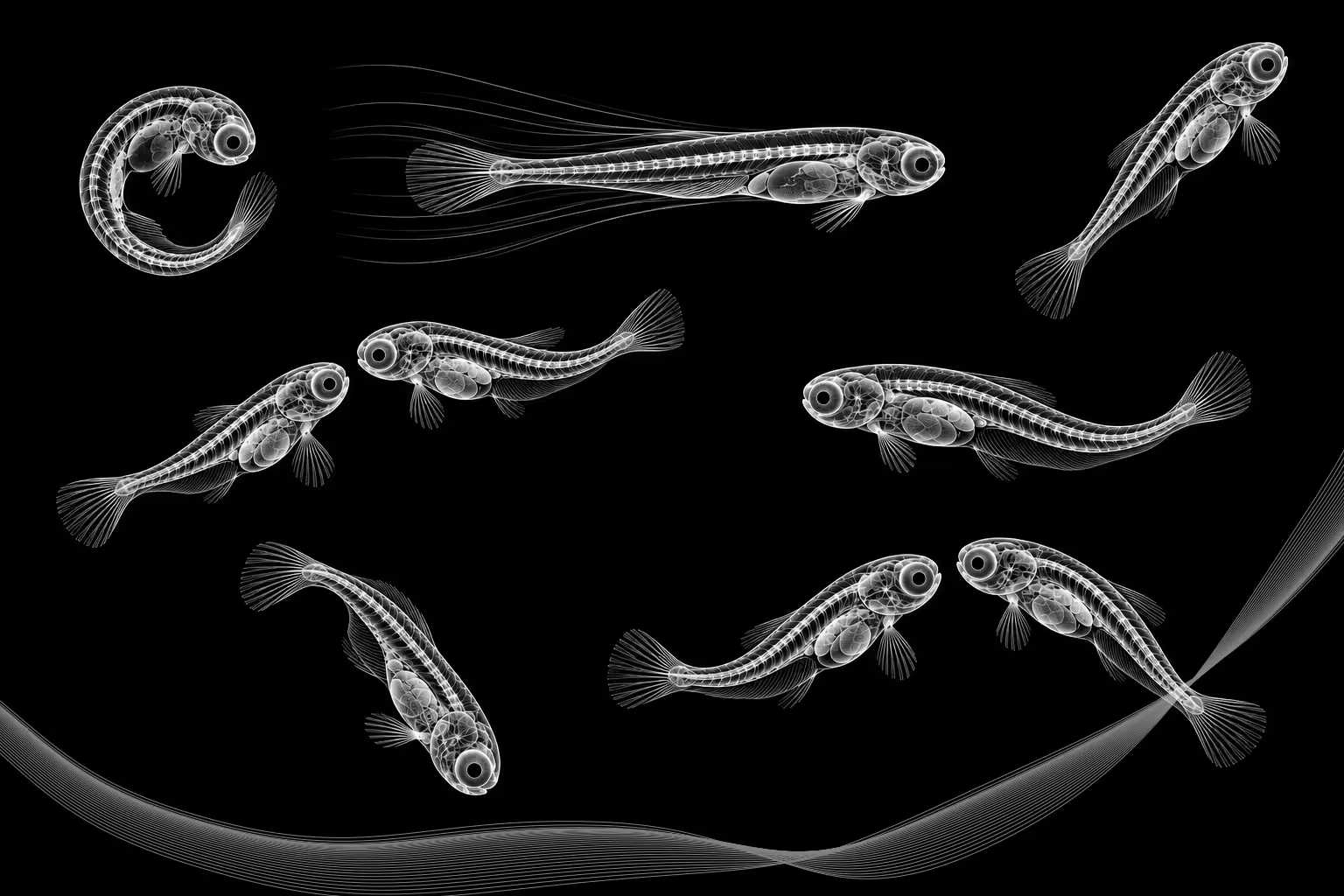
Track seizure-like movement, velocity, activity, and other behavioural phenotypes.
Optical-flow and related image analysis methods turn live biological responses into high-content readouts. That richer signal can show how a phenotype changes across anatomy, physiology, and behaviour instead of reducing the experiment to a single endpoint.
We compare experimental responses across phenotype rescue, efficacy, toxicity, and mechanism-related effects. We then use that evidence to prioritize targets, identify hits, and define the next experiment in our broader discovery workflow.
In our KCC2 epilepsy program, we captured more than 12,000 zebrafish videos and analyzed more than 15,000 data points from each video.
We paired chemical and genetic hypofunction models with activity trace embeddings and roughly 15,000 extracted parameters from each trace plot. The workflow supported multi-axis compound triage across seizure rescue, sedation, and nociception.
We help pharmaceutical, biotech, hospital, and translational research partners turn a disease model, candidate target, compound library, or phenotype screen into a focused validation plan. The resulting evidence can support prioritization and follow-up decisions.
We work with partners that want to define the right assay, readouts, and next experiment for an existing discovery program.
Partner with us