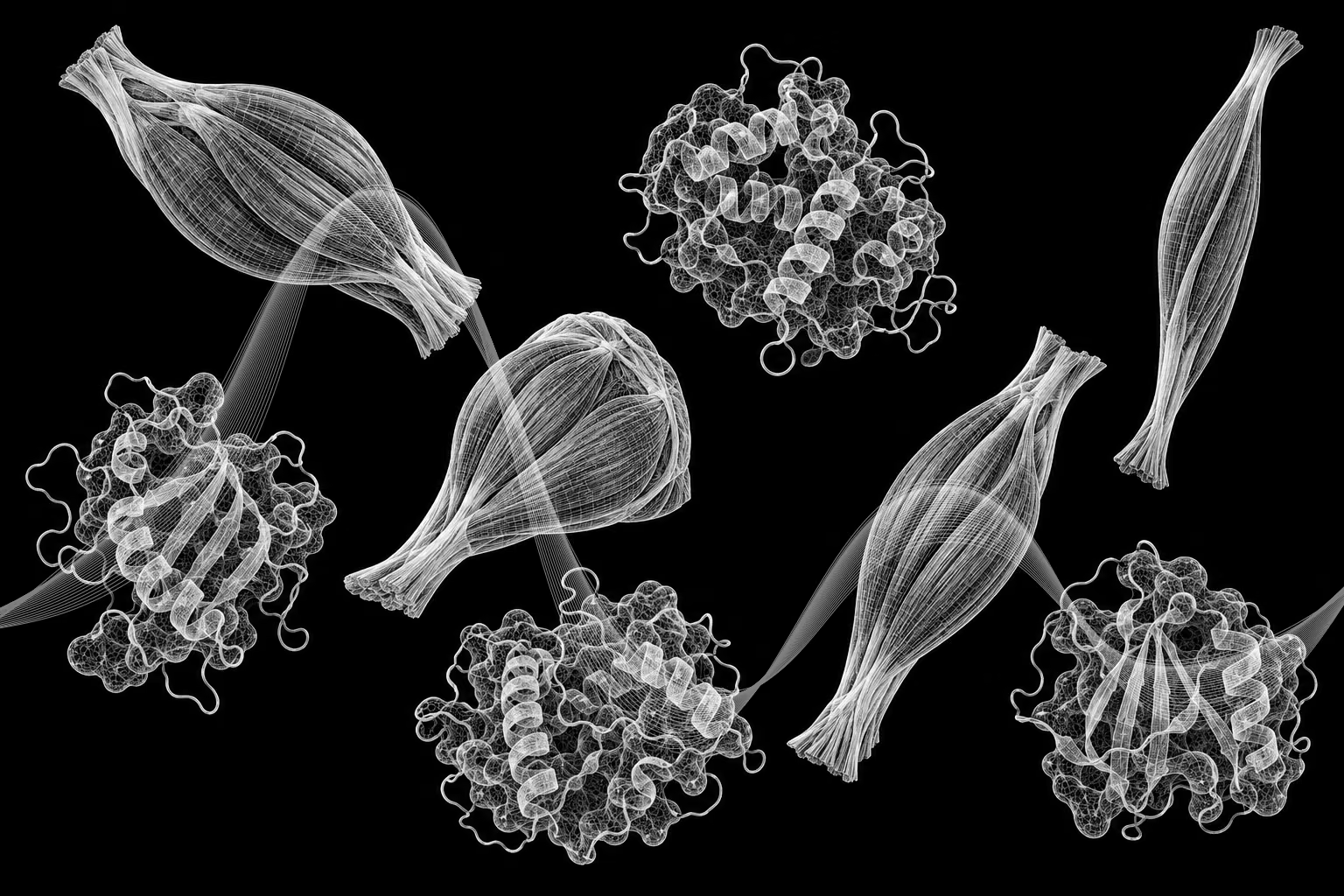
Duchenne muscular dystrophy biomarkers
We integrated clinical and proteomic data from more than 700 longitudinal serum samples in a multi-institutional study that reported serum proteins associated with motor performance and disease progression.

BioSymetrics partners across pharmaceutical and biotech companies, academia, healthcare, and patient organizations to connect multimodal data with experimental validation when relevant and generate testable biomarker and target hypotheses.
Our partners bring disease expertise, cohorts, data, models, or assays. We shape the analysis and any validation work around their research question and the decision it needs to inform.
We start with the disease or program question and identify the decision the work should inform. Together, we review relevant patient data, molecular evidence, disease models, and assays, then shape the scope and responsibilities around the available evidence and next step.
Phenotypes are the measurable features and responses associated with disease. We analyze clinical patterns to define patient subgroups, relate those patterns to molecular data, and connect them with phenotypes in models. Our Phenograph™ maps connections between clinical phenotypes in people, phenotypes in models, genes, pathways, targets, and therapies.
When it fits the question, we use disease models and experimental readouts to investigate selected biomarker, target, or mechanism hypotheses.
By linking clinical and molecular patterns with experimental evidence, we help partners assess which subgroups, biomarkers, targets, or mechanisms merit further study. Depending on the question, the resulting analysis can inform trial design, validation planning, or the next program decision.
Each collaboration brings complementary expertise and evidence to a defined disease question.
We integrated clinical and proteomic data from more than 700 longitudinal serum samples in a multi-institutional study that reported serum proteins associated with motor performance and disease progression.
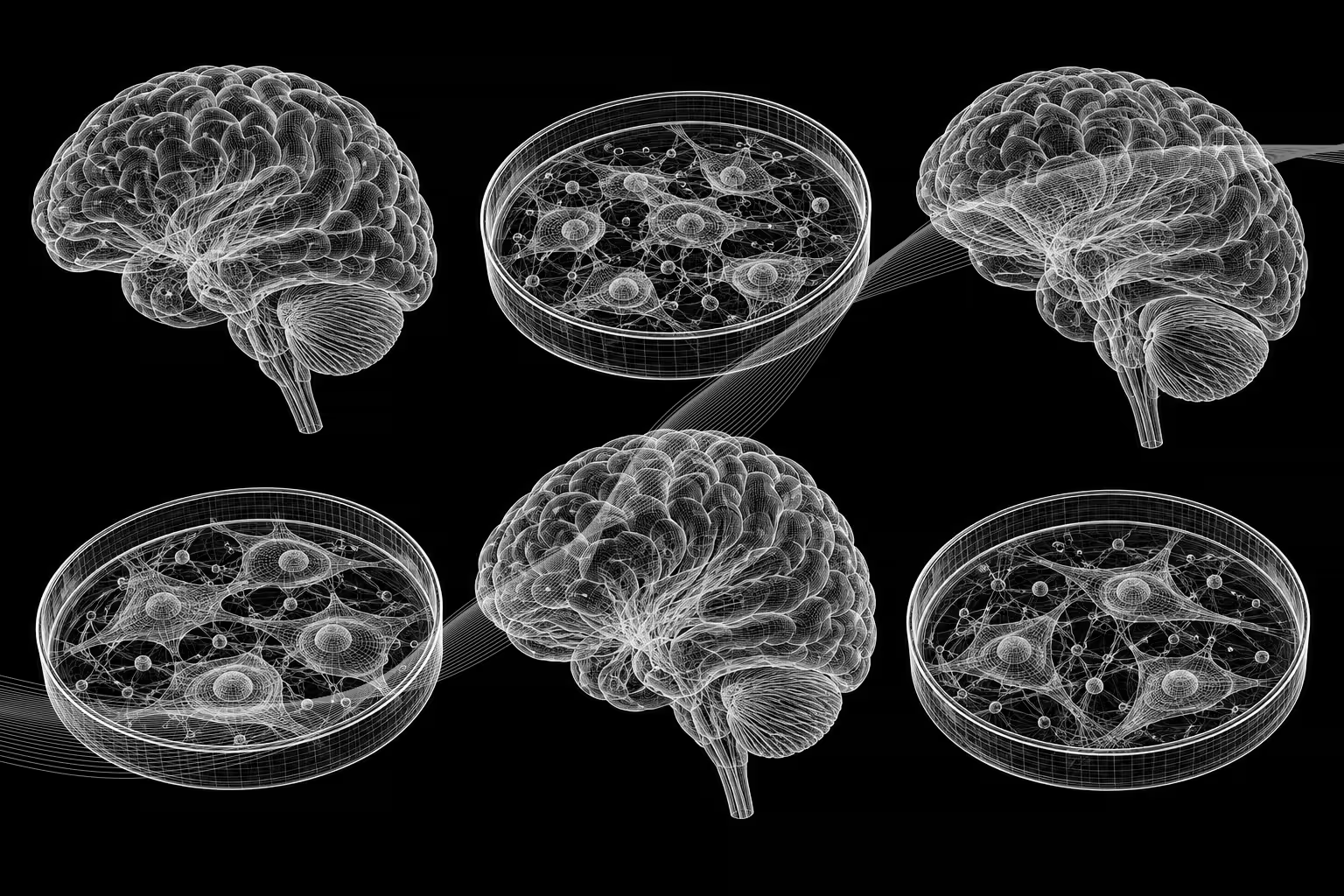
With BrainStorm Therapeutics and academic collaborators, we are connecting computational discovery and zebrafish screening with patient-derived human brain organoids for planned translational validation.
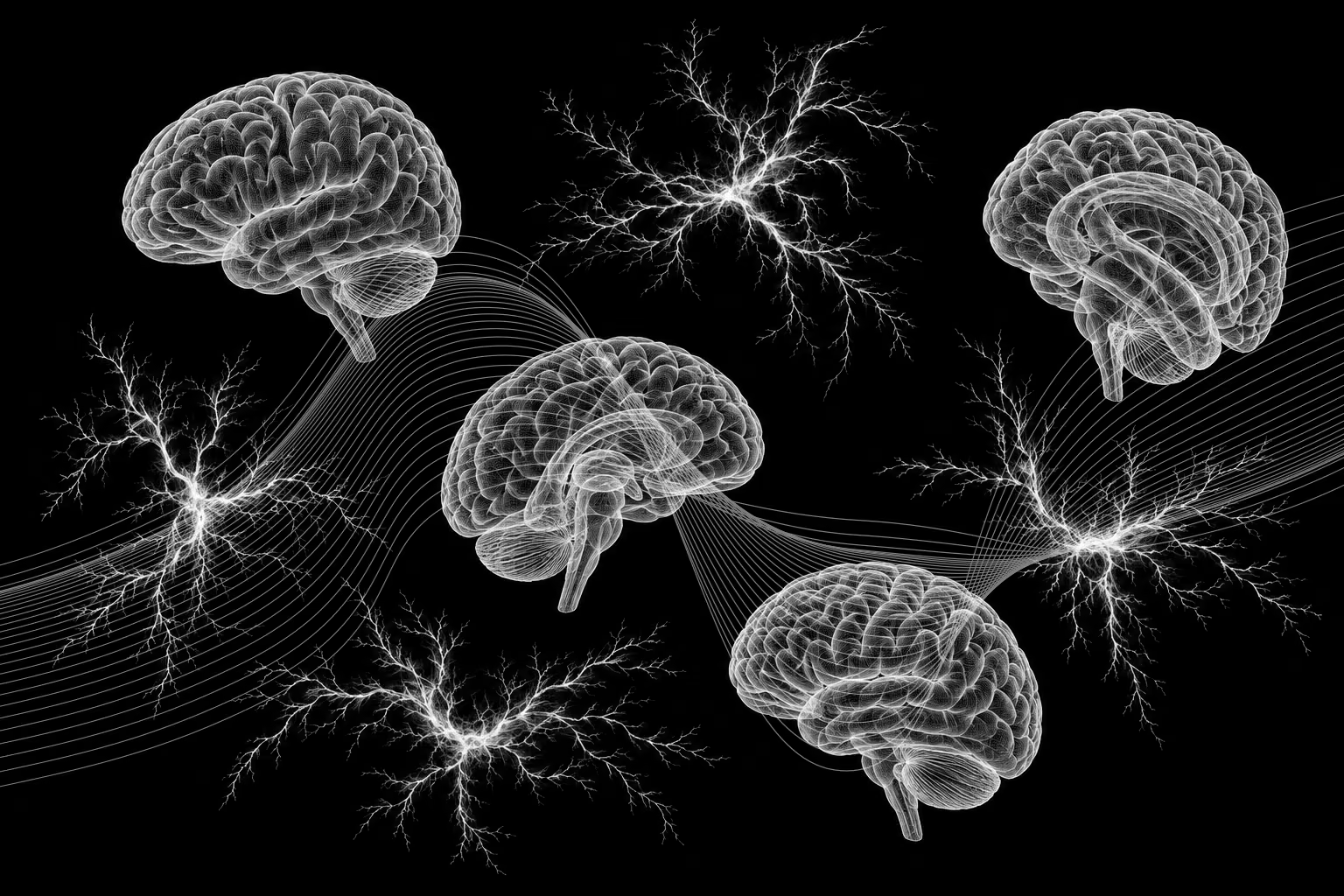
With Tanaist, we plan to test whether the Parkinson’s subtypes we identified reproduce across additional cohorts and correspond to measurable differences in human cellular biology.
If you have a disease question, patient dataset, model, assay, or biological hypothesis, we’d welcome a conversation about the right collaboration and next step.
Partner with us