Connect the evidence
Our clinical insights platform brings together patient records, genomic profiles, and experimental data into a foundation that lets us investigate disease biology across human and model systems.
We build translation into discovery from the start, connecting human disease data with living model systems and using AI and in vivo validation. We deconvolute complex diseases to uncover higher-confidence targets for precision medicines.
Since 2016, we've been bringing AI to biotech, connecting clinical discovery and trial optimization with target discovery and in vivo validation.
Around 90% of clinical trials fail before a drug reaches patients, with most failures attributed to insufficient efficacy against the selected target. Biology is complex, and understanding that complexity starts with seeing how disease varies from patient to patient.
We use phenoclustering and multimodal data to reveal meaningful patient subtypes, patterns of progression, and biomarkers. We connect those clinical signals to genes, pathways, and drugs, then take the strongest hypotheses into living model systems. We use machine learning, high-content imaging, and phenotypic assays to test targets and understand mechanisms in vivo.
This connected workflow is our edge in translating complex biology into higher-confidence targets and precision medicines.
Augusta™ is our biology-first biomedical AI/ML and closed-loop validation platform, with applications in precision neurology, neuropsychiatry, and biodefence.
We combine clinical, genomic, and experimental data to understand disease across human and model systems. Our machine learning approach maps relationships among phenotypes, genes, pathways, and drugs. We then test promising hypotheses using automated in vivo experiments.
Together, these capabilities form a closed-loop workflow that connects evidence, maps biology, tests hypotheses in vivo, and assesses mechanisms of action.
Our clinical insights platform brings together patient records, genomic profiles, and experimental data into a foundation that lets us investigate disease biology across human and model systems.
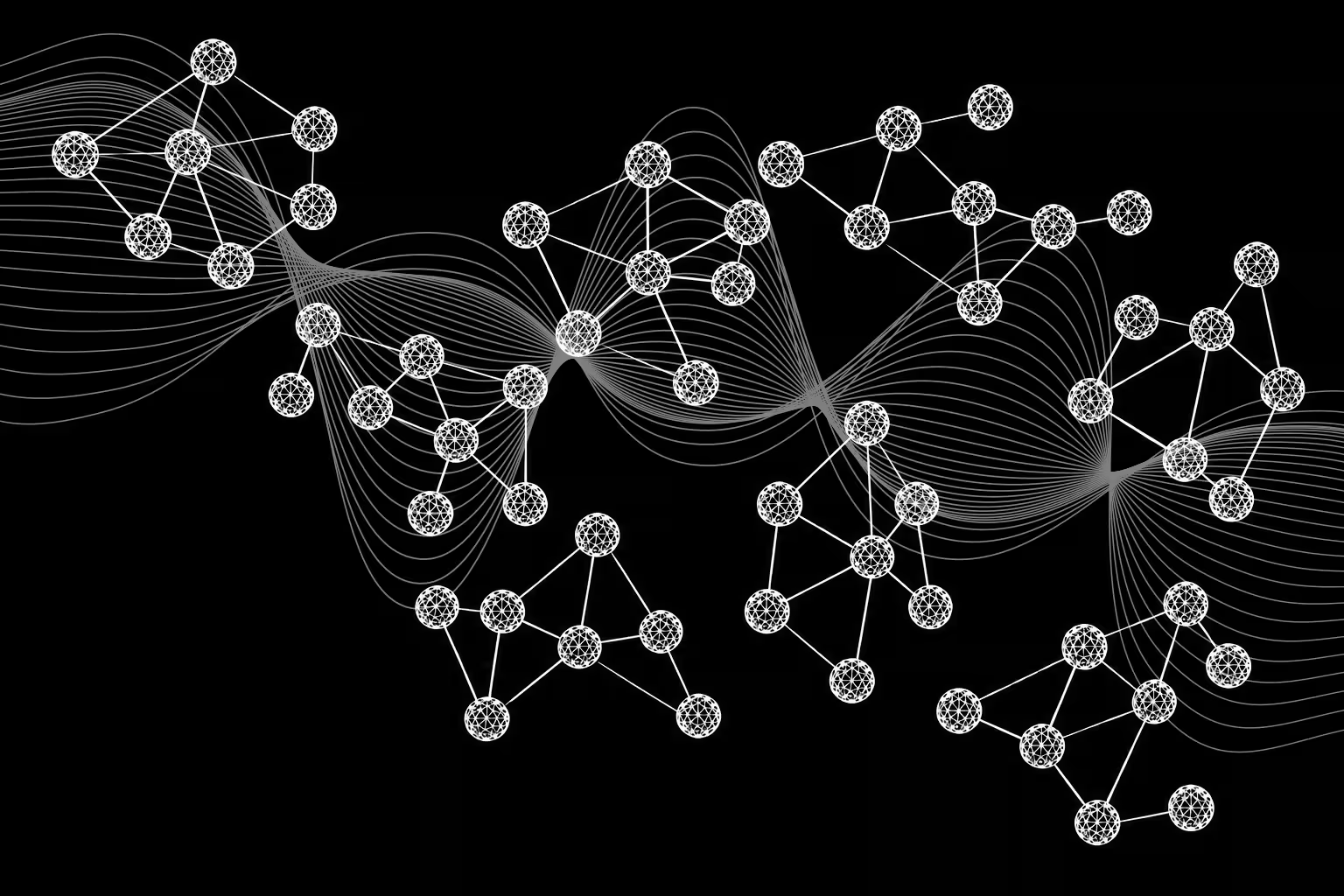
The Phenograph™ and Contingent AI™ map links across phenotypes, genes, pathways, and drugs to prioritize targets and biomarkers.
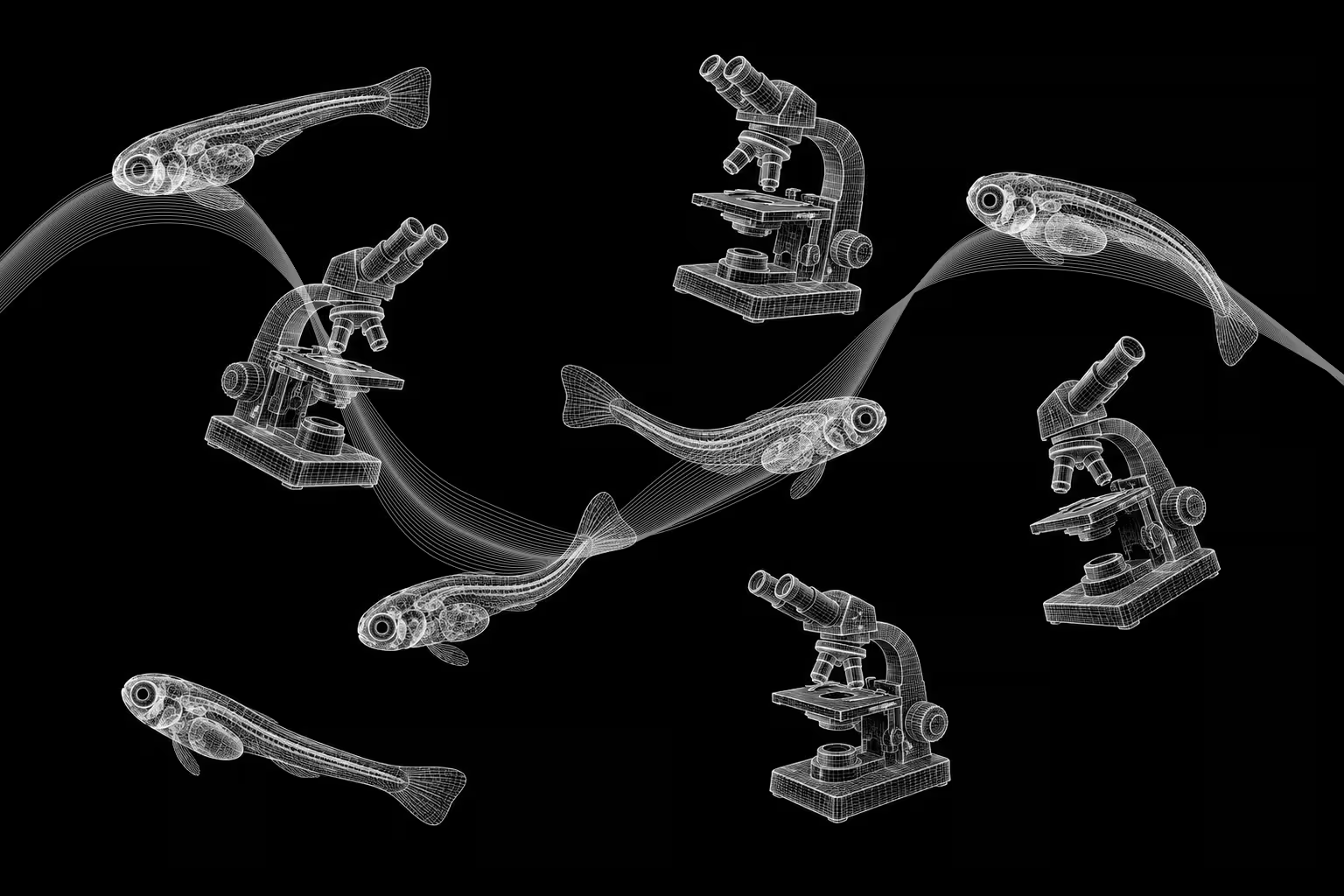
Our Computer Vision program turns high-content zebrafish imaging and behaviour into quantitative readouts for target validation, hit identification, and mechanism assessment.
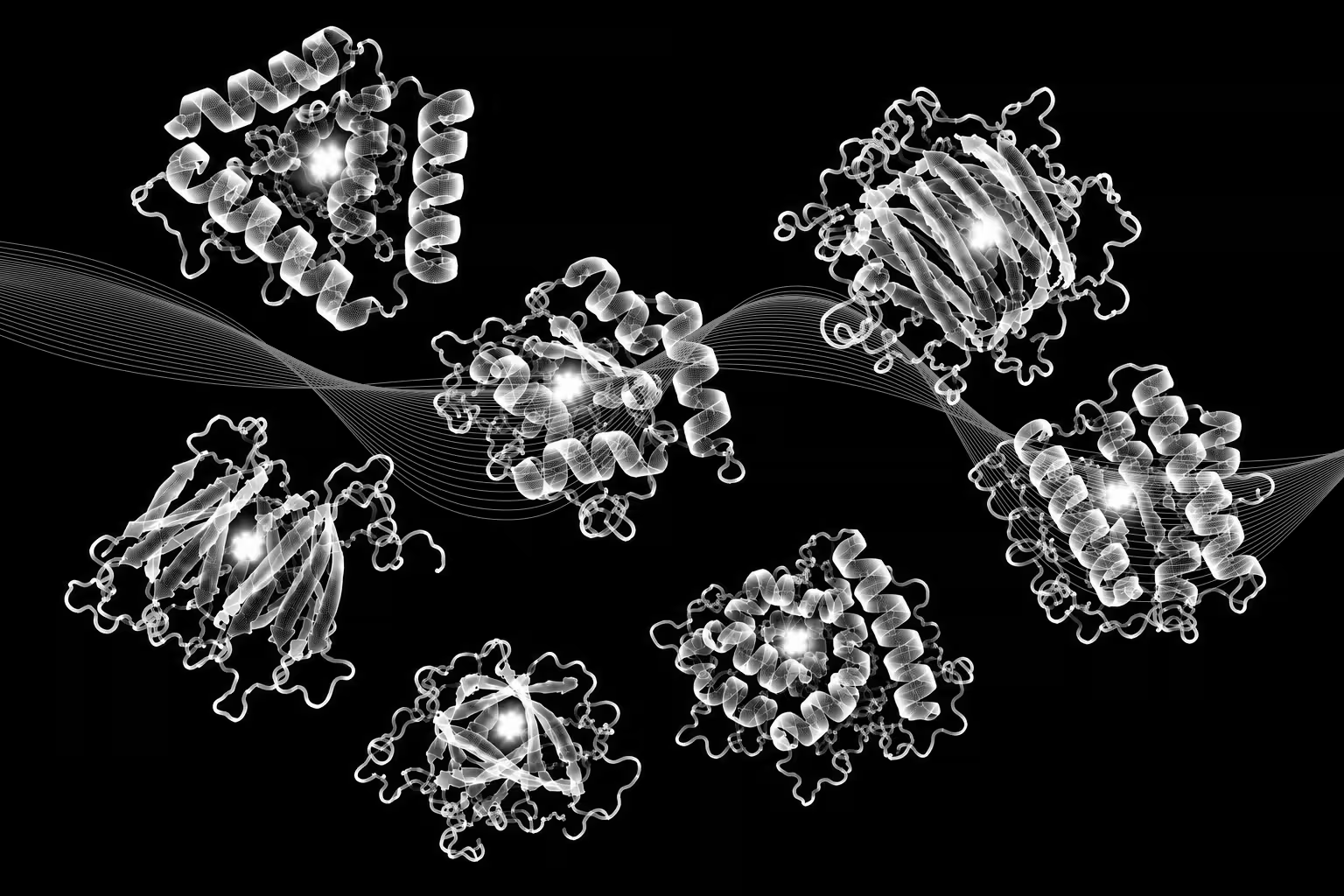
MOA Miner™ predicts the mechanisms of action of hit compounds after phenotype-based screening.
Our programs use multimodal data, machine learning, and experimental validation to turn biological signals into testable hypotheses across neurodegeneration, behavioural and psychiatric disease, rare neurological disorders, and biodefence.
Our Parkinson's and Alzheimer's programs use multimodal data to identify patient subtypes, biomarkers, and therapeutic targets, with organoid and in vivo validation in PD and inflammatory biomarker and early marker discovery in AD.
Our Alcohol Use Disorder program uses high-throughput vertebrate screening to generate behavioural signatures of ethanol exposure and withdrawal for mechanism-informed therapeutic discovery.
Our rare neurological disease work uses patient and proteomic data to identify biomarkers and structure cohorts, while our KCC2 program uses chemical, genetic, computer vision, and human cell models to identify compounds that reverse seizure phenotypes.
Our biodefence program combines AI-enabled threat detection, toxicity intelligence, zebrafish screening, and mechanism-of-action prediction to assess threats and prioritize countermeasures as a member of the Pathfinder Consortium.
Our partners extend our platform's validation engine across human data, disease biology, and experimental systems. Together, we connect patient-derived evidence with human-relevant models and in vivo validation to test biological hypotheses and prioritize programs for development.
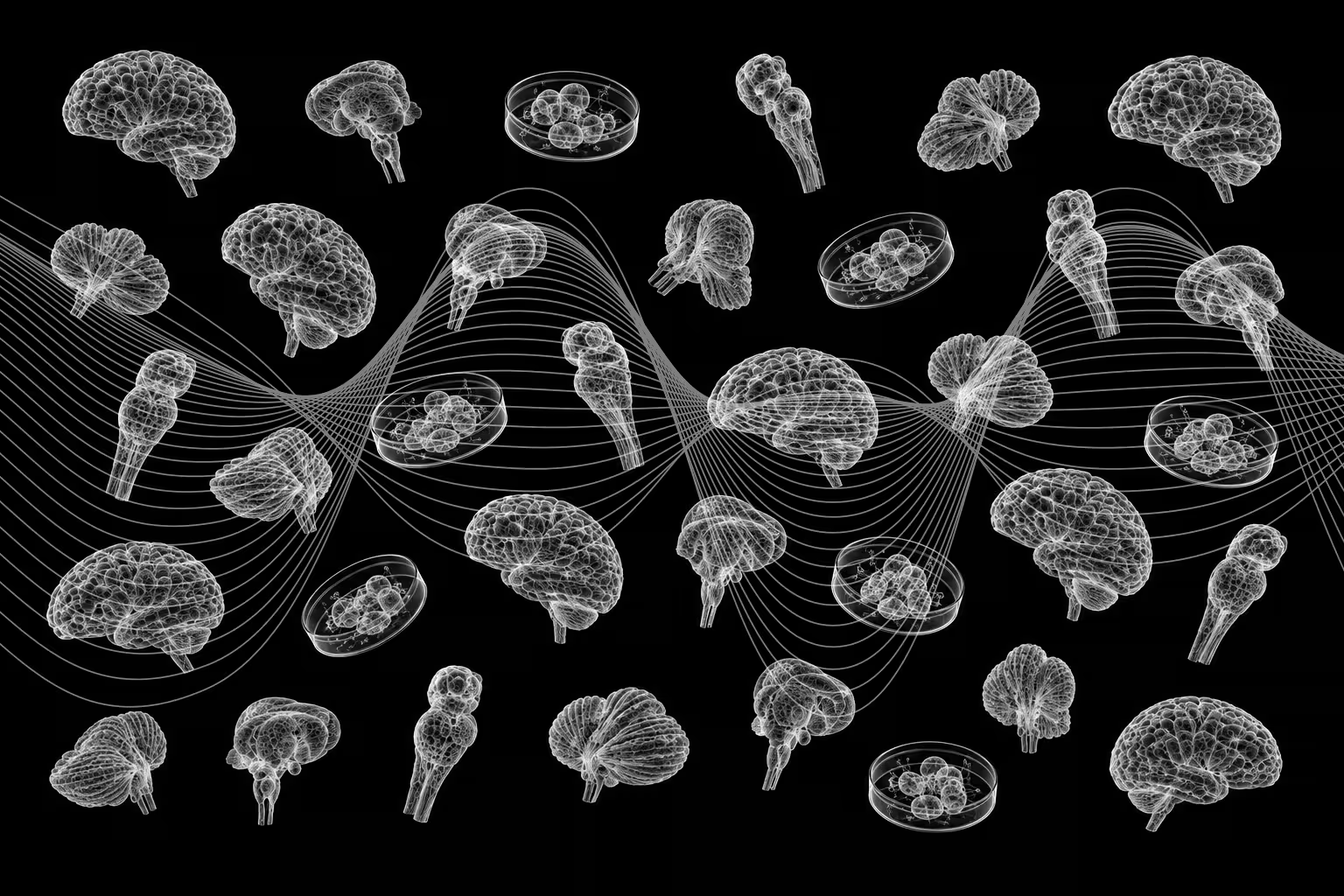
Our collaboration with BrainStorm Therapeutics combines patient stratification and AI-driven target discovery with patient-derived human midbrain organoids. The work supports our Parkinson's disease and rare genetic epilepsy programs by connecting clinically defined subtypes with biological mechanisms, biomarkers, and therapeutic targets.
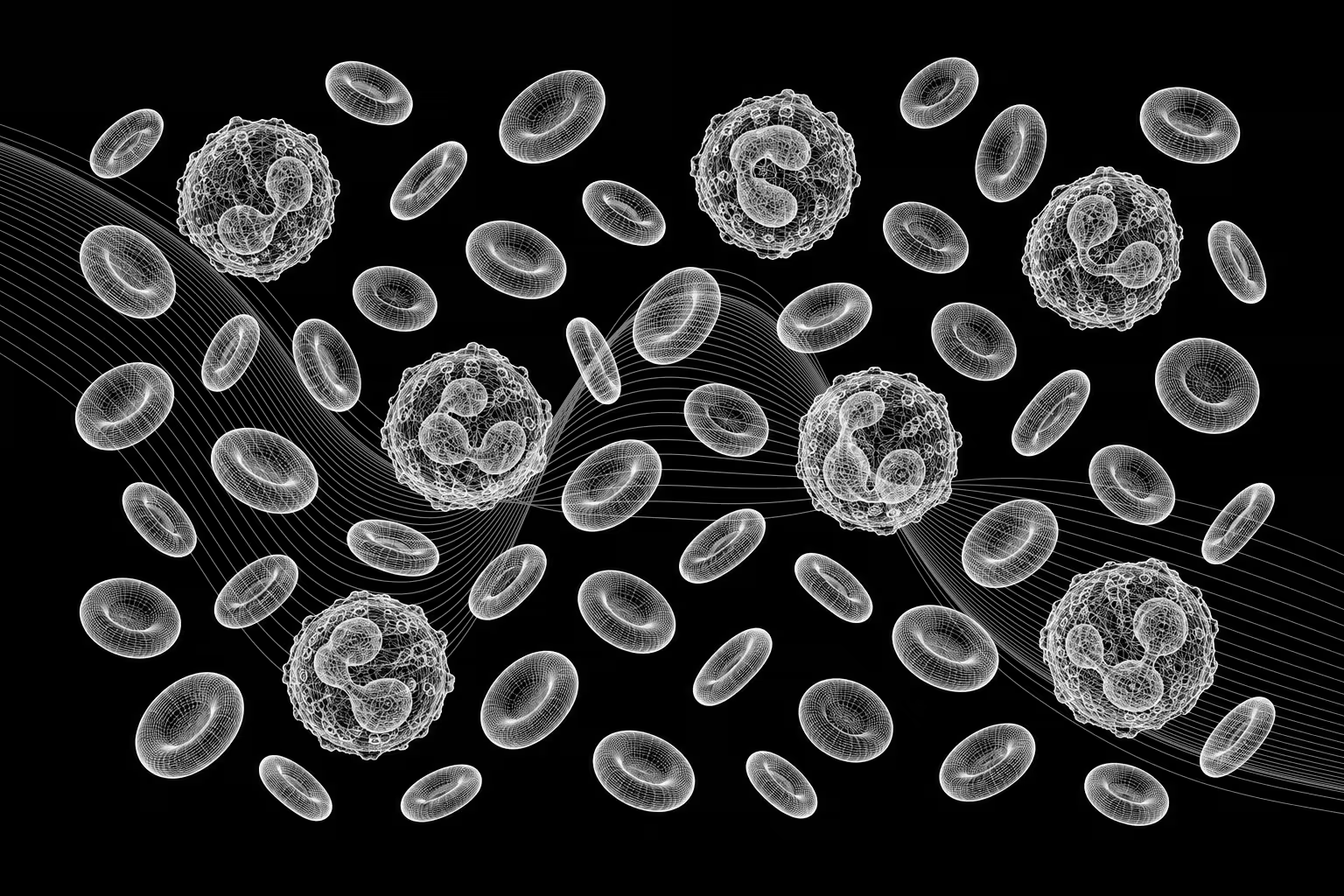
Our collaborations with Tanaist add cellular phenotyping to our patient stratification, disease modelling, and threat assessment workflows. In Parkinson's disease, the partnership is intended to test subgroup-associated biomarkers, biological signatures, targets, and therapeutic hypotheses. In biodefence, Tanaist's perturbational approach uses controlled changes in primary human blood cells to identify cellular signatures associated with chemical and biological threats.
From clinical discovery and trial optimization to target validation and biodefence, we connect clinical, genomic, and experimental evidence with AI and experimental biology to help you decide what to prioritize next.
Use multimodal patient data to identify meaningful subgroups, refine patient selection, improve endpoint strategy, and understand treatment response.
Partner with usReveal patterns of progression and biological differences that support biomarker discovery, precision medicine, and trial design.
Partner with usMap relationships among phenotypes, genes, pathways, and drugs, then test the strongest hypotheses in living model systems.
Partner with usCombine patient-derived insights with organoids, cellular phenotyping, high-content imaging, and in vivo assays to evaluate mechanisms and therapeutic hypotheses.
Partner with usApply AI, phenotypic screening, toxicity intelligence, and mechanism-of-action analysis to biological threat assessment and countermeasure discovery.
Partner with usUse multimodal patient data to identify meaningful subgroups, refine patient selection, improve endpoint strategy, and understand treatment response.
Partner with usReveal patterns of progression and biological differences that support biomarker discovery, precision medicine, and trial design.
Partner with usMap relationships among phenotypes, genes, pathways, and drugs, then test the strongest hypotheses in living model systems.
Partner with usCombine patient-derived insights with organoids, cellular phenotyping, high-content imaging, and in vivo assays to evaluate mechanisms and therapeutic hypotheses.
Partner with usApply AI, phenotypic screening, toxicity intelligence, and mechanism-of-action analysis to biological threat assessment and countermeasure discovery.
Partner with us