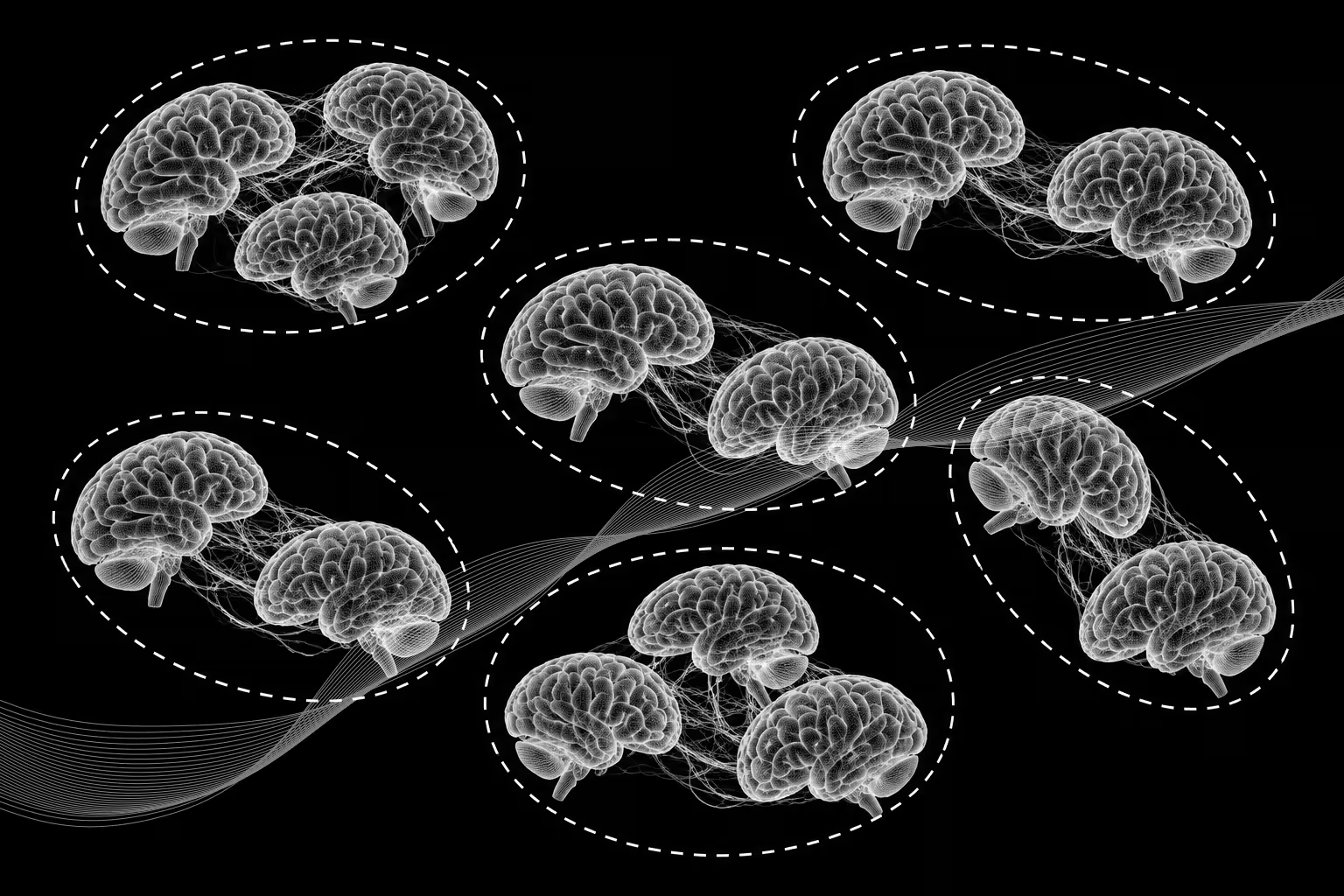
Parkinson’s patient subtyping
We analyzed more than 650 participants and roughly 4,500 proteomic probes to identify three outcome-linked Parkinson’s disease subtypes.

BioSymetrics links patient phenotypes, computational hypotheses, and model-system experiments to help partners prioritize biomarkers, targets, and therapeutic mechanisms for further validation.
Patient data, model systems, and experimental readouts can answer different questions. When those links are weak, it becomes harder to determine whether a computational signal reflects a disease-relevant mechanism.
Our translational validation approach keeps patient biology connected to the experiments that can test it. The result is a clearer path from an observed pattern to the next biological question.
Our Phenograph™ connects clinical and model system phenotypes with genes, pathways, targets, and therapies. Contingent AI™ helps infer gaps in known gene–phenotype associations and prioritize hypotheses for downstream validation.
These outputs guide experiment selection. They are a structured basis for testing, not a substitute for experimental evidence.
For suitable programs, we move prioritized hypotheses into CRISPR-modified zebrafish and automated 96-well experiments. Computer vision quantifies changes in morphology, blood flow, cardiac function, and behaviour.
These high-content readouts capture anatomy, physiology, and activity in the same in vivo workflow. The experiments are designed to produce useful biological feedback within days.
Experimental responses can be assessed across phenotype rescue, efficacy, toxicity, and mechanism-related effects. This gives partners more information for deciding which targets, compounds, and biomarkers deserve further study.
We use the resulting evidence to refine target prioritization, identify hits, investigate biomarkers, and choose the next experiment.
Patient subgroups and disease-linked molecular signatures can guide model selection and follow-up testing. Through our collaboration with BrainStorm Therapeutics, we are connecting Parkinson’s disease subtype analysis with BrainStorm’s patient-derived human midbrain organoids and complementary in vivo systems.
The collaboration’s planned work includes aligning clinically defined subtypes with biological mechanisms, testing subtype-associated biomarkers and targets, and preparing partner-facing decision packages. Together, these objectives are intended to build a translational evidence package spanning clinical subtypes, biological mechanisms, biomarkers, targets, and development decisions.
We analyzed more than 650 participants and roughly 4,500 proteomic probes to identify three outcome-linked Parkinson’s disease subtypes.
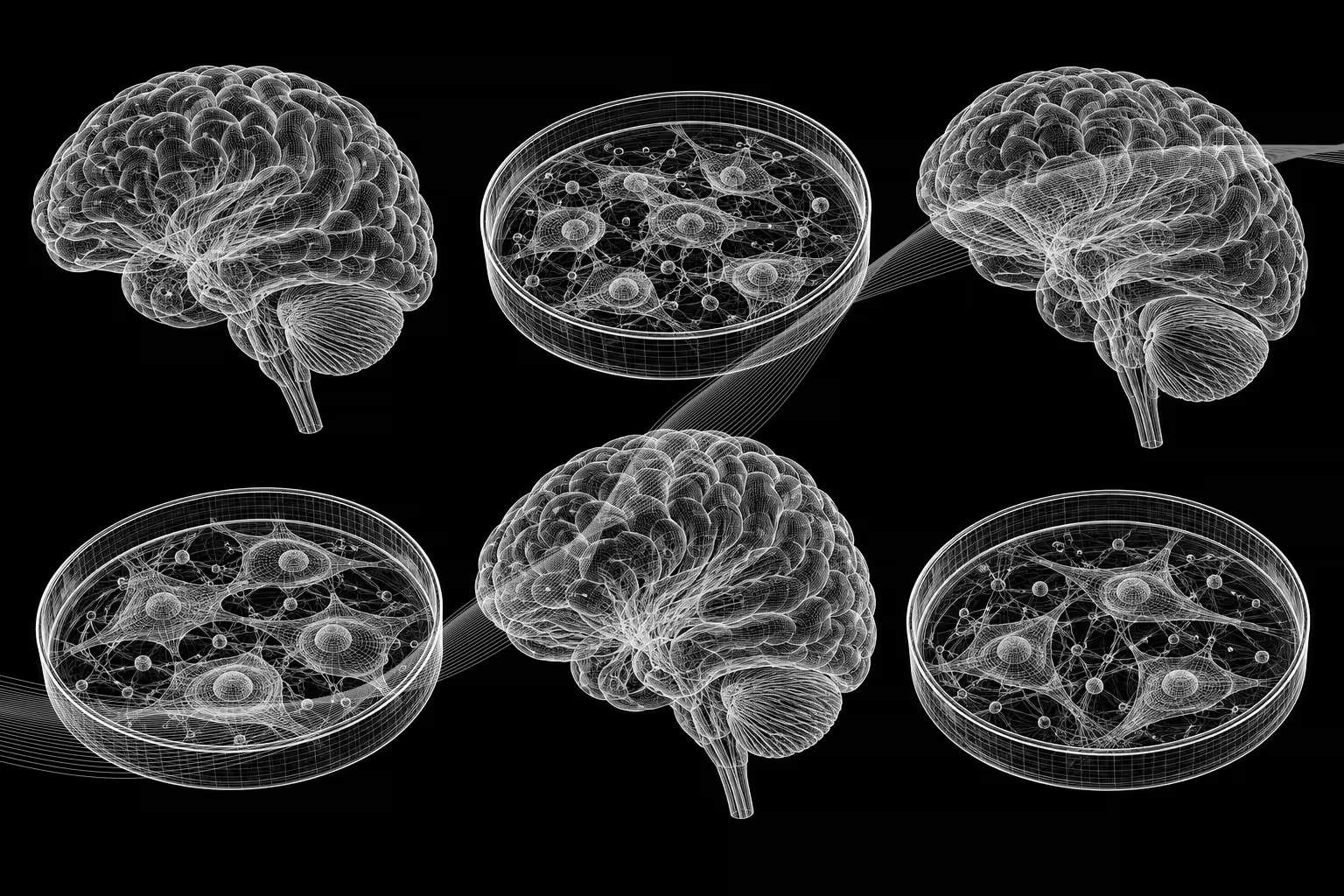
Our BrainStorm collaboration plans to test subtype-specific mechanisms and AI-prioritized targets in patient-derived human midbrain organoids and complementary in vivo systems.
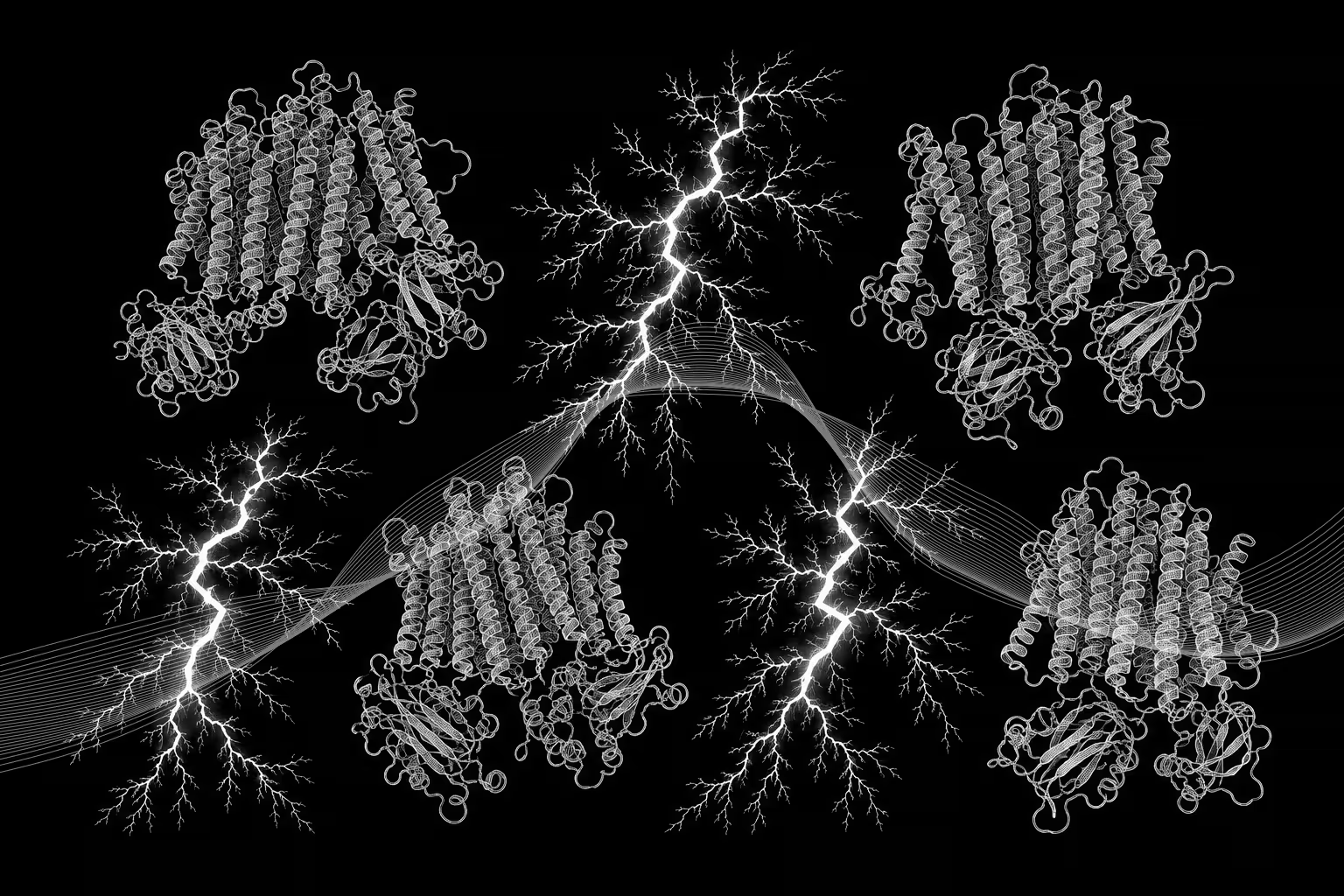
Our KCC2 program pairs chemical and genetic models with high-throughput video analysis and multi-axis triage across seizure rescue, sedation, and nociception.
We help pharmaceutical, biotech, hospital, and research partners connect an observed phenotype to a focused validation plan. The outputs can support target and biomarker prioritization, program advancement, and partner-facing evidence packages.
The aim is a better-defined next experiment and a clearer understanding of the evidence it needs to generate.
We work with partners that have a disease model, patient dataset, candidate target, biomarker, or phenotype screen and want to define the next experiment.
Partner with us